CALL – 8209178980 For More Details
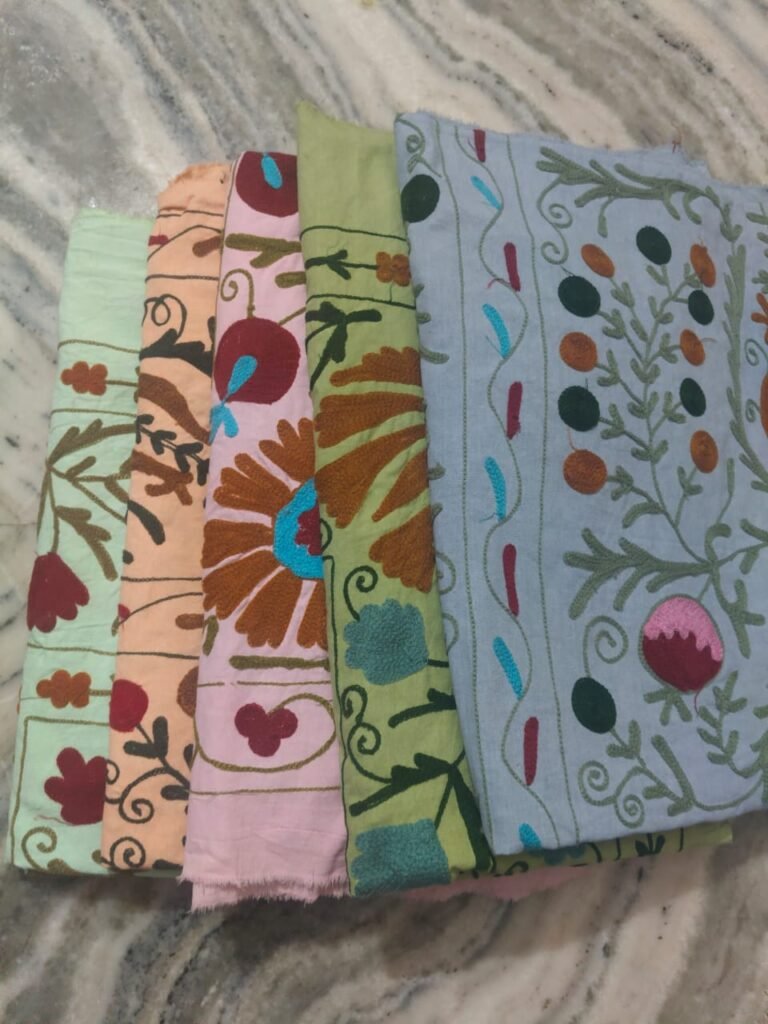
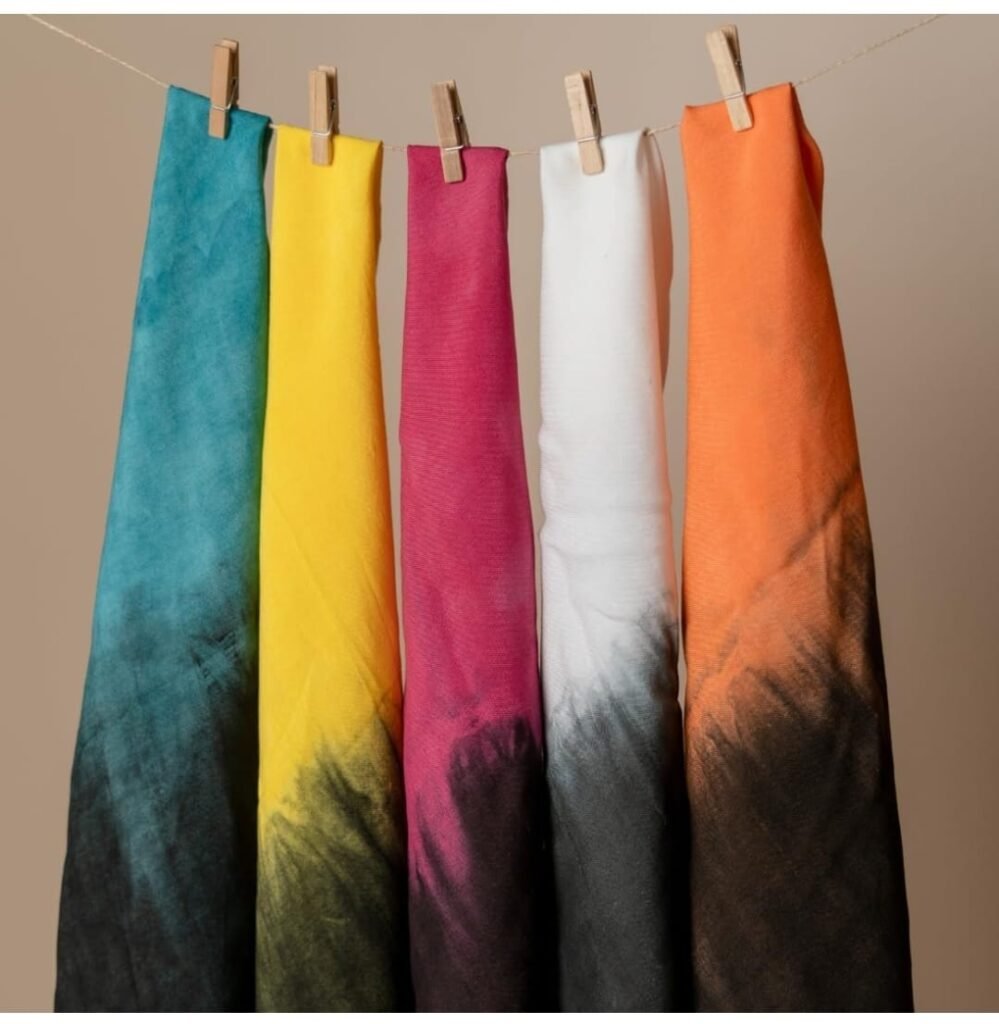
Suzani Dye Process- The Suzani dye process involves using natural and sometimes synthetic dyes to color the fabric before or after it is embroidered. Natural dyes are sourced from plants and insects, with examples including madder root for red, indigo for blue, saffron for yellow, and cochineal for red. The fabric is typically cotton or silk and is dyed in outdoor vats. For pieces that are dyed before embroidery, the pattern is sometimes created by tying off areas of the fabric (similar to tie-dye) to resist the dye
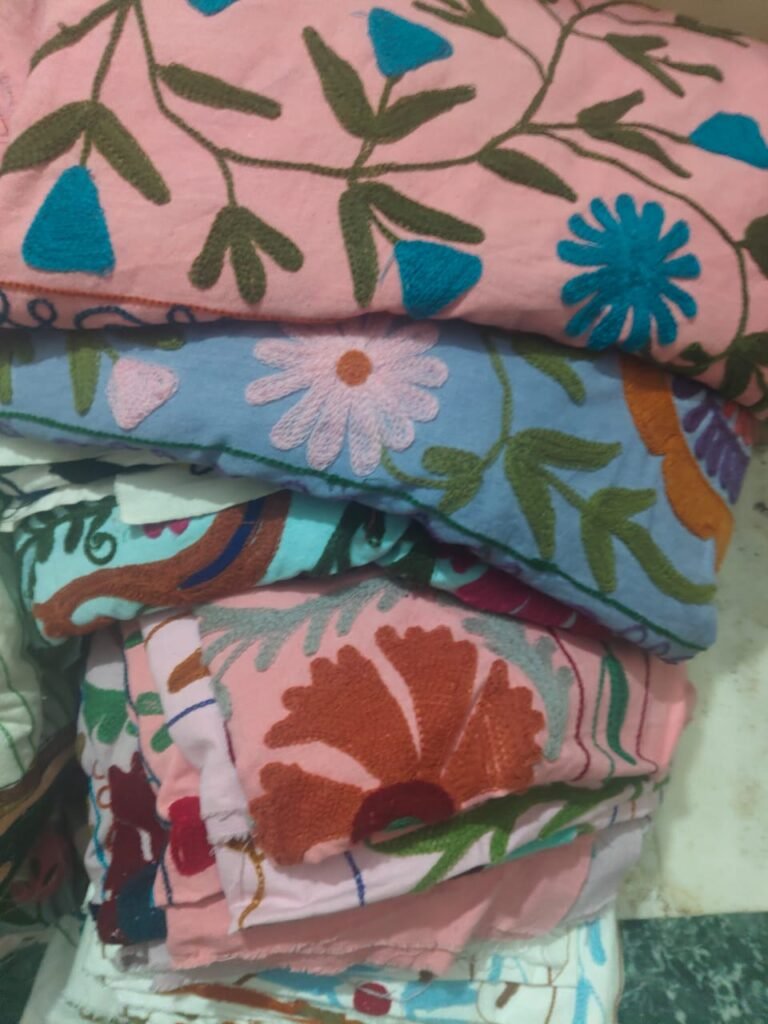
Suzani Dye Making -The Suzani dye process involves using natural and sometimes synthetic dyes to color the fabric before or after it is embroidered. Natural dyes are sourced from plants and insects, with examples including madder root for red, indigo for blue, saffron for yellow, and cochineal for red. The fabric is typically cotton or silk and is dyed in outdoor vats. For pieces that are dyed before embroidery, the pattern is sometimes created by tying off areas of the fabric (similar to tie-dye) to resist the dye
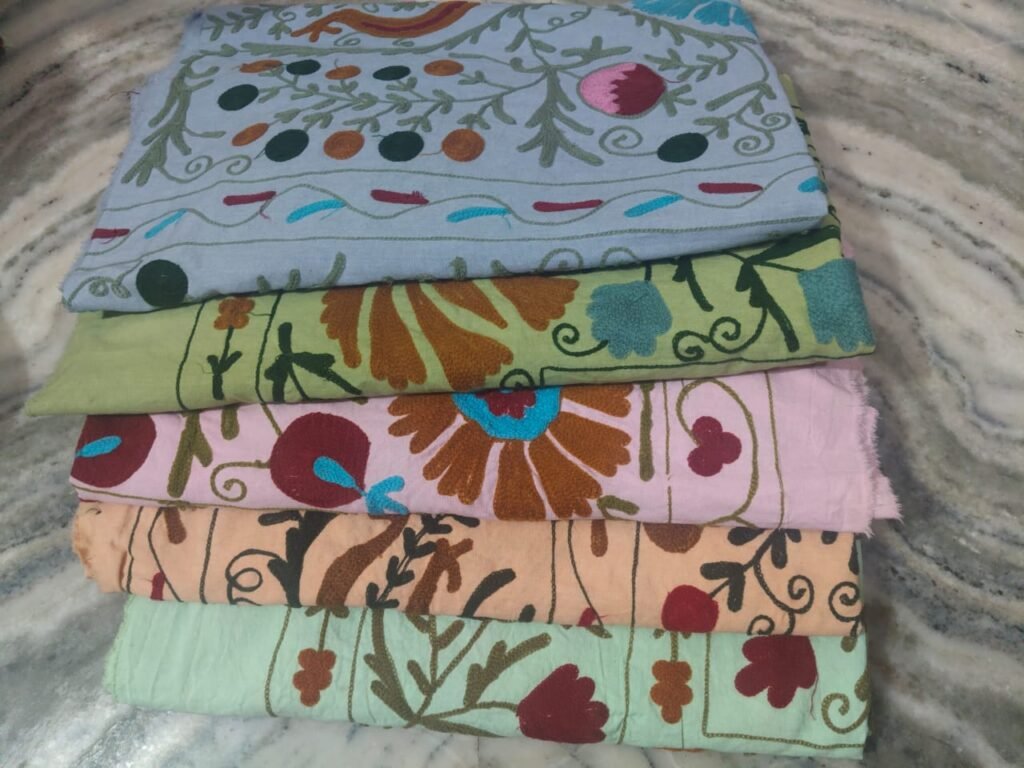
Suzani Process- The Suzani dye process involves using natural and sometimes synthetic dyes to color the fabric before or after it is embroidered. Natural dyes are sourced from plants and insects, with examples including madder root for red, indigo for blue, saffron for yellow, and cochineal for red. The fabric is typically cotton or silk and is dyed in outdoor vats. For pieces that are dyed before embroidery, the pattern is sometimes created by tying off areas of the fabric (similar to tie-dye) to resist the dye
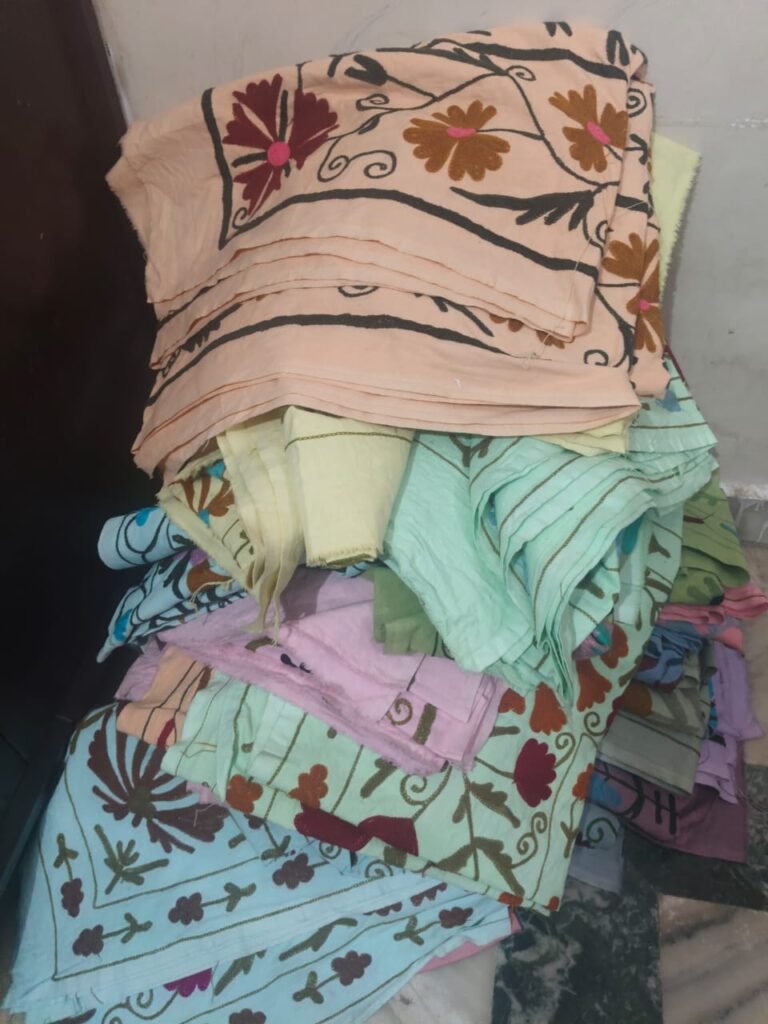
Suzani Process -The Suzani dye process involves using natural and sometimes synthetic dyes to color the fabric before or after it is embroidered. Natural dyes are sourced from plants and insects, with examples including madder root for red, indigo for blue, saffron for yellow, and cochineal for red. The fabric is typically cotton or silk and is dyed in outdoor vats. For pieces that are dyed before embroidery, the pattern is sometimes created by tying off areas of the fabric (similar to tie-dye) to resist the dye
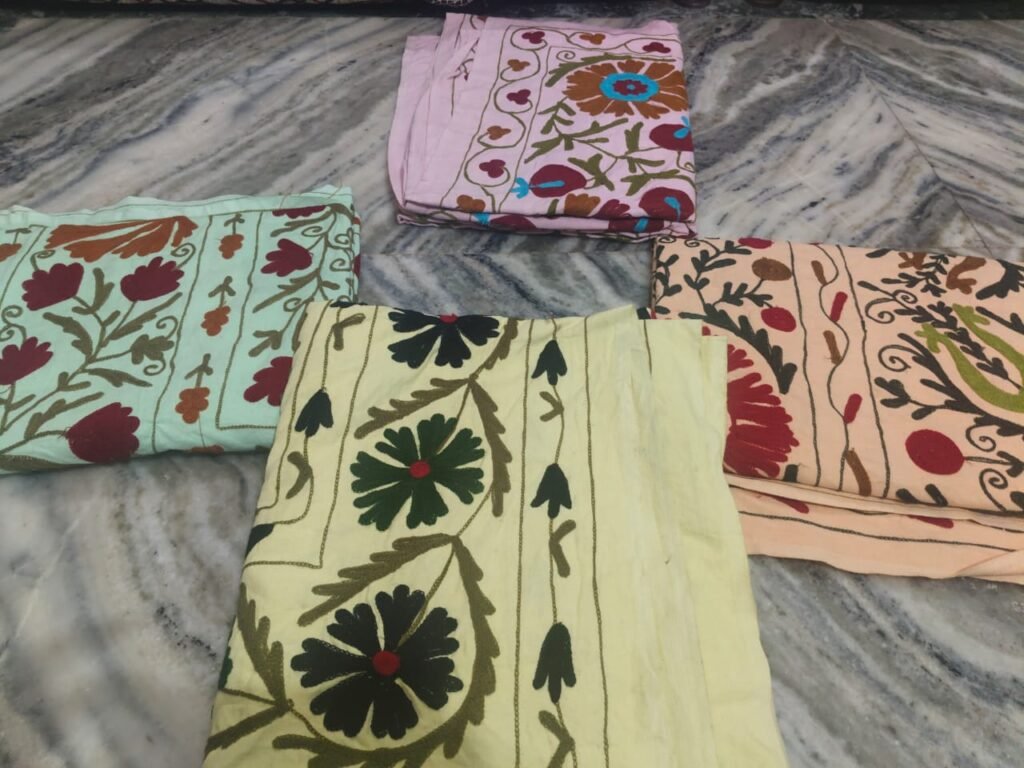
Suzani Dye Center – The Suzani dye process involves using natural and sometimes synthetic dyes to color the fabric before or after it is embroidered. Natural dyes are sourced from plants and insects, with examples including madder root for red, indigo for blue, saffron for yellow, and cochineal for red. The fabric is typically cotton or silk and is dyed in outdoor vats. For pieces that are dyed before embroidery, the pattern is sometimes created by tying off areas of the fabric (similar to tie-dye) to resist the dye